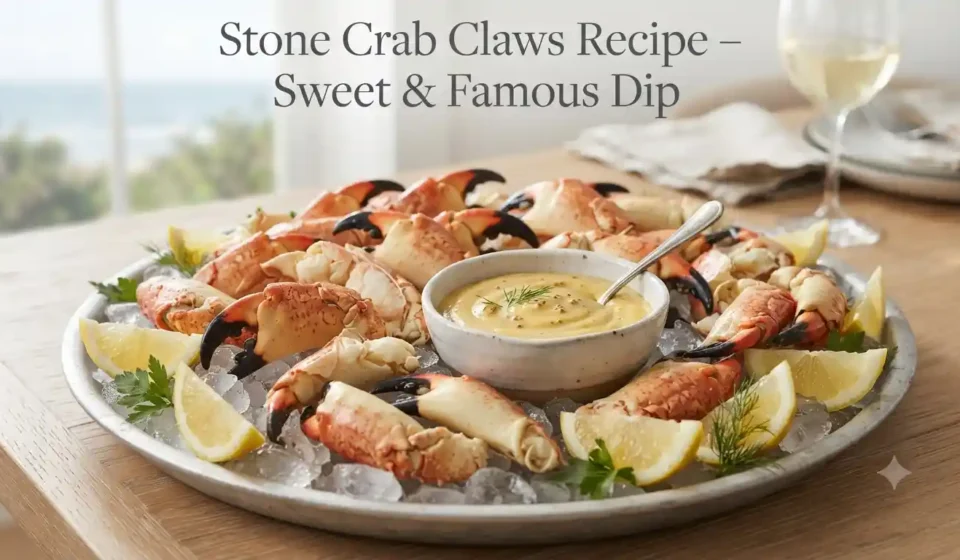

There’s something special about bringing a platter of chilled stone crab claws to the table. They look restaurant-worthy, yet the actual preparation is surprisingly simple. When a seafood craving hits, you don’t need complicated techniques or a long ingredient list—just sweet crab meat, a creamy dipping sauce, and a few minutes in the kitchen.
Stone crab claws are naturally rich, slightly briny, and wonderfully tender, so the goal is to complement rather than cover their flavor. This recipe pairs chilled claws with a creamy, sweet-tangy mustard dip inspired by the famous sauces served with Florida stone crab. It’s quick enough for a weeknight treat but impressive enough for holidays and special dinners.
Stone Crab Claws Recipe – Sweet & Famous Dip
This recipe keeps the stone crab cold and succulent while pairing it with a smooth mustard dipping sauce. Since commercially sold stone crab claws are typically already cooked, there’s no need to boil them again. A little chilling, careful cracking, and a well-balanced dip are all you need.
Prep & Cook Time
| Detail | Time / Amount |
|---|---|
| Prep Time | 15 minutes |
| Cook Time | 0 minutes |
| Chilling Time | 30 minutes |
| Total Time | 45 minutes |
| Servings | 4 |
Important: This recipe assumes you are using fully cooked stone crab claws. If your package states otherwise, follow the supplier’s cooking and food-safety directions.
What Equipment Do You Need?
You don’t need specialized restaurant equipment. A few basic tools make the job much easier:
- Crab cracker or seafood cracker
- Small mixing bowl
- Whisk
- Measuring cups and spoons
- Serving platter
- Small serving bowl for the dip
- Kitchen towel to help hold slippery claws
- Seafood picks or small forks, optional
- Large bowl of ice, optional for serving
A crab cracker is worth using because stone crab shells are quite hard. Avoid swinging a heavy knife at the claws—the shell can slip and cause an injury.
Ingredients
For the Stone Crab Claws
- 2 pounds cooked stone crab claws, chilled
- 1 lemon, cut into wedges
- 2 cups ice, for serving, optional
For the Sweet & Famous Mustard Dip
- ½ cup mayonnaise
- 2 tablespoons Dijon mustard
- 1 tablespoon yellow mustard
- 1 tablespoon honey
- 1 tablespoon fresh lemon juice
- 2 teaspoons prepared horseradish
- 1 teaspoon Worcestershire sauce
- ¼ teaspoon garlic powder
- ⅛ teaspoon freshly ground black pepper
- Pinch of sea salt, if needed
Why Each Ingredient Matters
Stone crab is the star, so every ingredient in the sauce has a job rather than simply adding more flavor.
| Ingredient | Why It Matters |
|---|---|
| Stone crab claws | Naturally sweet and delicate with a firm, succulent texture. Serving them chilled keeps their clean seafood flavor front and center. |
| Mayonnaise | Creates the creamy base and carries the stronger mustard and horseradish flavors evenly. |
| Dijon mustard | Adds sharpness and complexity without overwhelming the crab. |
| Yellow mustard | Provides familiar mustard tang and gives the sauce its classic character. |
| Honey | Softens the acidity and mustard heat while enhancing the crab’s natural sweetness. |
| Lemon juice | Acidity cuts through the richness of mayonnaise and makes seafood taste brighter. |
| Horseradish | Adds a clean, peppery kick that works particularly well with chilled shellfish. |
| Worcestershire sauce | Supplies savory depth and umami, making the dip taste more rounded. |
| Garlic powder | Adds subtle background savoriness without the harsh bite of raw garlic. |
| Black pepper | Gives gentle warmth and balances the creamy sauce. |
One small chef’s rule matters here: taste before adding extra salt. Stone crab already has natural salinity, and Worcestershire sauce adds more.
Step-by-Step Instructions
Step 1: Chill the Stone Crab Claws
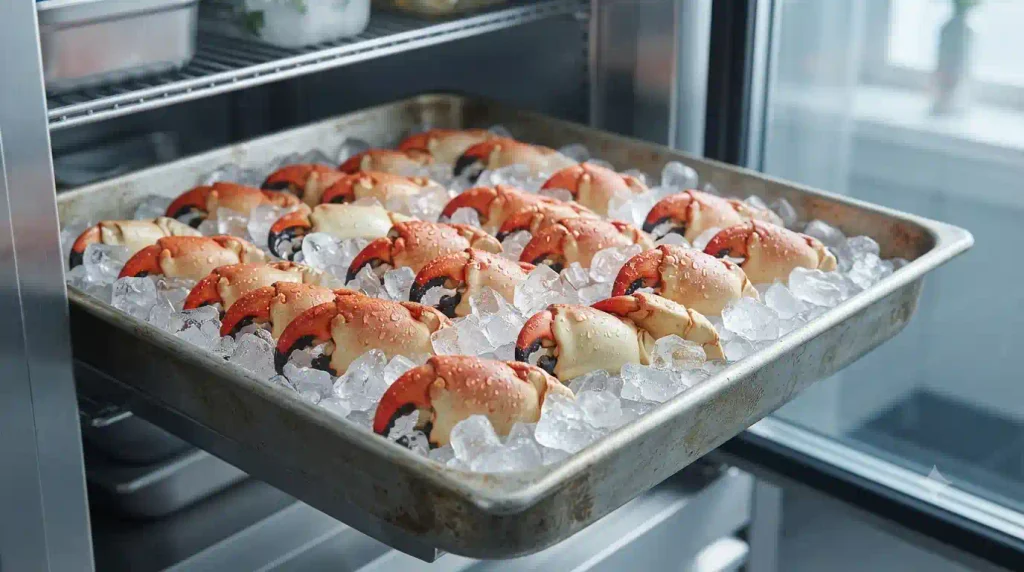
Keep the cooked stone crab claws refrigerated until you’re ready to prepare them. They’re especially refreshing when served properly chilled.
If the claws aren’t cold enough, place them over ice in the refrigerator for about 20–30 minutes.
Don’t leave seafood sitting on the kitchen counter while you make the sauce. Keep it refrigerated at 40°F (4°C) or below until close to serving time.
Step 2: Make the Creamy Mustard Base
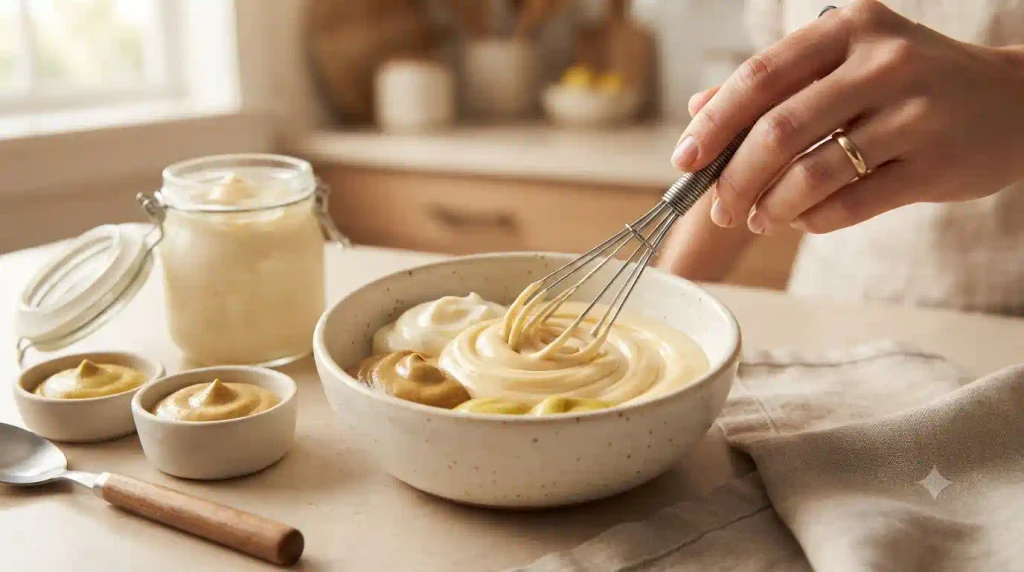
In a small bowl, combine:
- ½ cup mayonnaise
- 2 tablespoons Dijon mustard
- 1 tablespoon yellow mustard
Whisk until completely smooth.
Don’t worry if the sauce initially looks slightly streaky. After another 20–30 seconds of whisking, the mayonnaise and mustards should blend into a silky, pale-golden sauce.
Step 3: Build the Sweet-Tangy Flavor
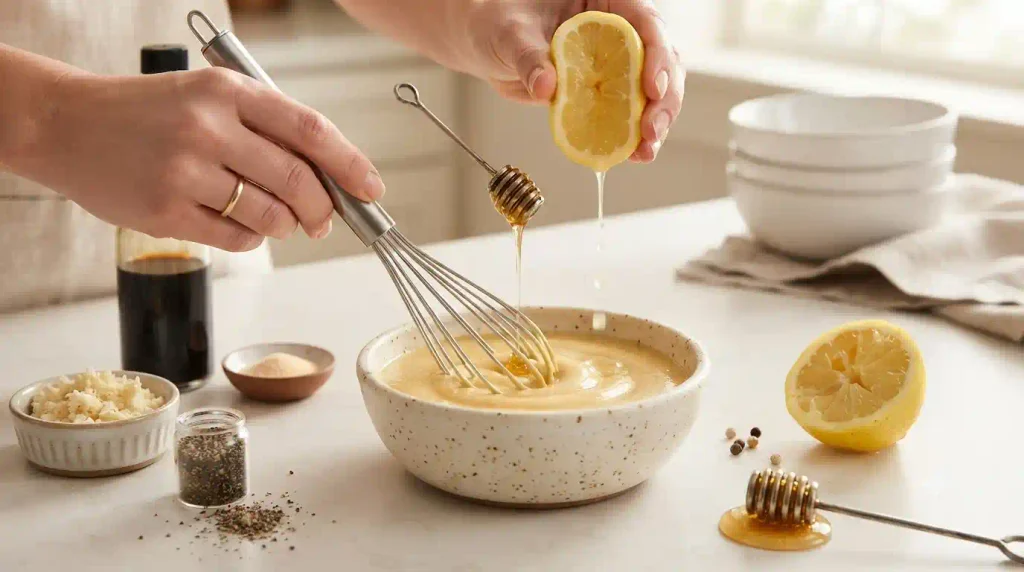
Add the honey, lemon juice, prepared horseradish, Worcestershire sauce, garlic powder, and black pepper.
Whisk again until smooth.
Now taste it.
Want it sweeter? Add another ½ teaspoon honey.
Prefer more tang? Add a small squeeze of lemon.
Like a stronger kick? Add another ½ teaspoon horseradish.
Add salt only after tasting. The finished sauce should be creamy and tangy with mild sweetness and a little heat at the end.
Step 4: Chill the Dip
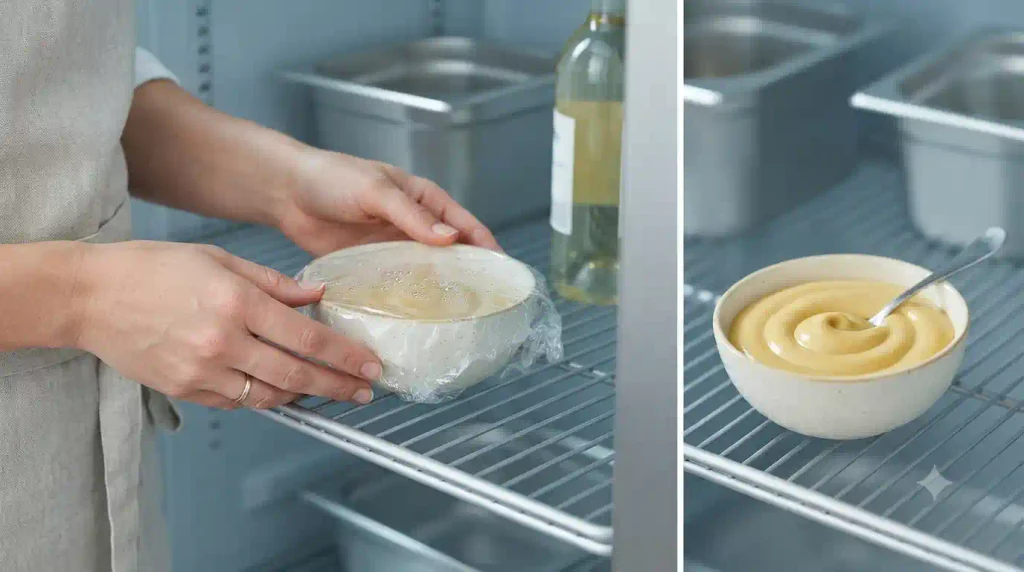
Cover the bowl and refrigerate the mustard dip for about 30 minutes.
Yes, you can eat it immediately, but that short rest really helps. The mustard mellows, the horseradish spreads throughout the sauce, and the overall flavor becomes more cohesive.
If you’re entertaining, make the dip several hours ahead and keep it covered in the refrigerator.
Step 5: Crack the Stone Crab Claws
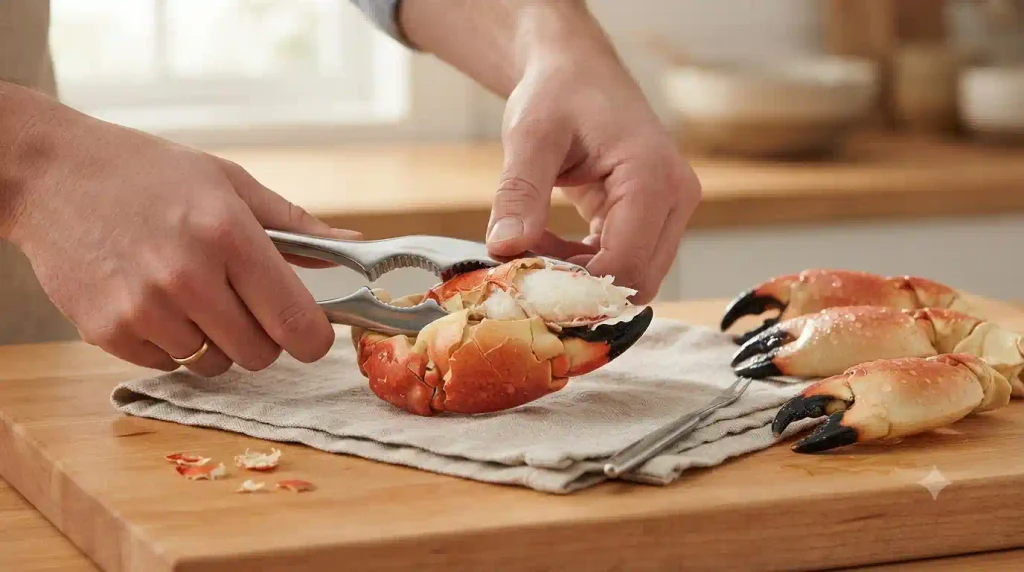
Place one claw inside a folded kitchen towel. Using a seafood cracker, gently crack the shell in several places.
You want enough pressure to fracture the shell without crushing the beautiful meat underneath.
Carefully pull away loosened shell pieces. If necessary, use a seafood pick to help release the meat.
Watch for small shell fragments. Run your fingers carefully around exposed meat before serving.
Step 6: Arrange and Serve
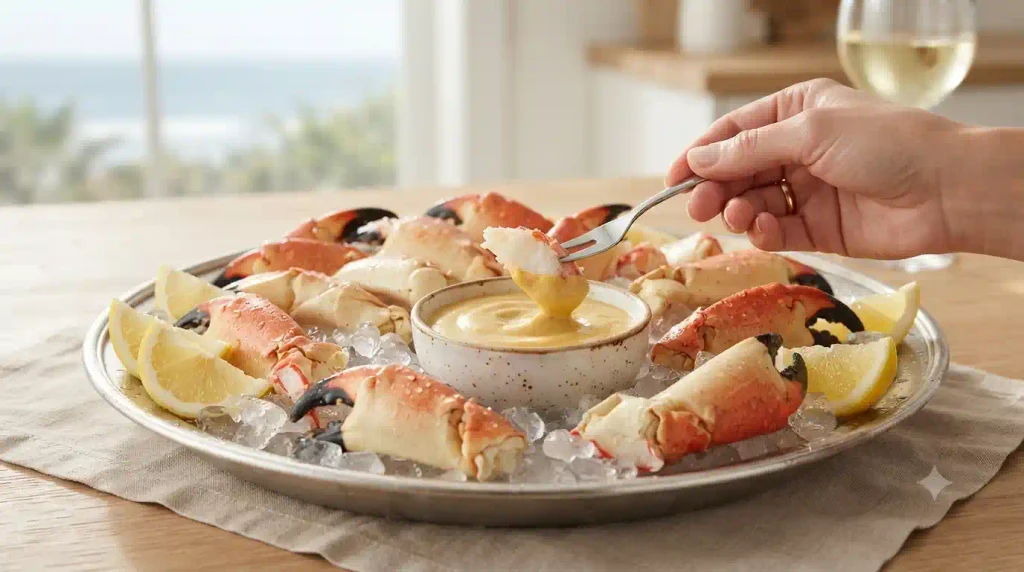
Spread ice over a large serving platter if desired, then arrange the cracked stone crab claws over the top.
Place the chilled mustard dip in a small bowl in the center and add fresh lemon wedges around the platter.
Serve immediately.
Dip a piece of sweet crab meat lightly into the sauce rather than completely coating it. The crab should still be the first flavor you taste.
Health Benefits
Stone crab can make an excellent protein-focused seafood meal when enjoyed as part of a balanced diet.
High-Quality Protein
Crab meat provides complete protein containing essential amino acids. Protein supports muscle maintenance, tissue repair, and normal body functions.
Naturally Low in Carbohydrates
Plain stone crab meat contains very little carbohydrate. Most carbohydrates in this recipe come from the honey and condiments in the dipping sauce.
Seafood Micronutrients
Crab provides several useful nutrients, including vitamin B12, selenium, zinc, and phosphorus. These nutrients contribute to functions such as normal energy metabolism, immune function, and cell protection.
Portion-Friendly Richness
Because stone crab meat has a naturally sweet, satisfying flavor, you don’t need a heavy coating or buttery sauce to make it enjoyable.
The mustard dip does contain mayonnaise, so portion size matters if you’re watching calories or fat. A small amount goes a long way.
Nutrition Information (Per Serving)
Nutrition will vary depending on claw size, the amount of edible meat, mayonnaise brand, and how much dipping sauce you actually use.
Approximate nutrition per serving:
| Nutrient | Approximate Amount |
|---|---|
| Calories | 300 kcal |
| Protein | 25 g |
| Fat | 18 g |
| Carbohydrates | 9 g |
These values are estimates rather than medical dietary calculations. If you need precise nutrition information, calculate it using the exact brands and quantities you use.
Pro Tips & Variations
1. Don’t Re-Cook Already Cooked Claws
This is probably the biggest mistake home cooks make.
Most stone crab claws are cooked shortly after harvest and sold ready to eat. Re-boiling them can make the delicate meat dry or rubbery.
Check the package first.
2. Crack Instead of Smash
Stone crab shells are tough, but brute force isn’t the answer. Crack each section in a few controlled spots.
A kitchen towel helps keep the claw stable and also catches small shell pieces.
3. Make the Sauce Ahead
The mustard dip tastes even better after 1–2 hours in the refrigerator. It’s an easy job to knock out before guests arrive.
4. Adjust the Sweetness
If you like a sweeter seafood sauce, increase the honey to 1½ tablespoons.
For a sharper restaurant-style dip, reduce it to 2 teaspoons.
5. Make It Spicy
Add:
- A few drops of hot sauce
- A pinch of cayenne pepper
- An extra teaspoon of horseradish
Start small. You can always add more heat, but you can’t easily remove it.
6. Make It Lighter
Replace up to half of the mayonnaise with plain Greek yogurt.
The sauce will become tangier and slightly less rich, but it still pairs beautifully with the sweet crab.
7. Don’t Drown the Crab
This sauce is intentionally flavorful, but stone crab is expensive and delicious on its own. Use the dip as an accent.
A little sauce on each bite gives you a much better balance than completely covering the meat.
8. Serve It Extra Cold
For parties, place the claws over a shallow bed of crushed ice. It looks beautiful and helps keep the seafood properly chilled.
Just avoid allowing melted ice water to pool around exposed crab meat.
How Much Does It Cost to Make?
Stone crab is a premium seafood, so this isn’t necessarily a budget dinner. Prices also vary significantly according to location, season, claw size, and supplier.
Here’s a reasonable U.S. grocery-market estimate:
| Ingredient | Estimated Cost |
|---|---|
| 2 lb stone crab claws | $50–$90 |
| Mayonnaise | $1.00 |
| Dijon + yellow mustard | $0.75 |
| Honey | $0.40 |
| Lemon | $0.75 |
| Horseradish | $0.40 |
| Worcestershire + seasonings | $0.40 |
| Estimated Total | $53–$94 |
| Approx. Cost Per Serving | $13–$24 |
The crab accounts for almost the entire cost. If you’re already buying stone crab, the homemade dip itself costs only a few dollars.
For entertaining, you can also serve smaller portions alongside salad, bread, roasted vegetables, or another seafood dish.
Frequently Asked Questions
Are stone crab claws already cooked when you buy them?
Usually, yes. Commercial stone crab claws are generally cooked soon after harvest and then chilled or frozen. That means you’re normally reheating or serving an already-cooked product rather than cooking raw crab.
Always check the packaging or ask your seafood supplier to confirm.
Should stone crab claws be served hot or cold?
Both are possible, but chilled stone crab claws are a classic way to serve them, especially with mustard dipping sauce.
Cold serving also reduces the risk of accidentally overcooking the delicate meat.
If you prefer them warm, use a gentle reheating method and only heat them until warmed through rather than aggressively boiling them again.
What sauce goes best with stone crab claws?
A creamy mustard sauce is one of the best-known pairings. Mustard provides tang, mayonnaise adds richness, and lemon balances the natural sweetness of the crab.
Melted butter, lemon butter, remoulade, and light cocktail sauce can also work, but a mustard-based dip lets the distinctive stone crab flavor shine.
How long can cooked stone crab claws stay in the refrigerator?
Storage time can depend on how fresh the claws were when purchased and how they were handled before you brought them home. Keep cooked crab properly refrigerated at 40°F (4°C) or below, follow the seafood supplier’s storage guidance, and use it promptly.
If the crab develops an unusual sour odor, slimy texture, or other signs of spoilage, don’t taste it to check—discard it.
Final Thoughts
Stone crab claws are proof that an impressive seafood dinner doesn’t have to mean spending hours at the stove. The crab already brings plenty of natural sweetness and flavor; your job is simply to keep it cold, crack it carefully, and give it a sauce worthy of dipping.
That creamy combination of mustard, lemon, honey, and horseradish hits the sweet, tangy, and savory notes without hiding the crab underneath.
Serve everything well chilled, put a generous stack of napkins on the table, and don’t worry about making a little mess. Stone crab is supposed to be hands-on. That’s half the fun.