

There’s something deeply satisfying about recreating a restaurant favorite in your own kitchen. When that craving for buttery, crisp-edged Texas toast hits, you don’t need a trip through the drive-thru—you need a loaf of thick-cut bread, plenty of butter, and a hot skillet. This Raising Cane’s-inspired Texas toast is simple enough for a weeknight but delicious enough to make everyone hover around the stove waiting for the next slice.
The secret is all in the texture: thick, soft bread inside with a golden, buttery, lightly crisp surface. A quick garlic-butter spread and a hot skillet do the heavy lifting. It takes just minutes, and the smell alone may have everyone asking when dinner is ready.
Raising Cane’s Texas Toast Recipe – Spot-On Copycat at Home
This copycat Texas toast focuses on the qualities people love about the restaurant version: thick-sliced bread, a rich buttery coating, gentle garlic flavor, and a beautifully toasted exterior. It pairs especially well with chicken tenders, grilled chicken, burgers, fries, or a simple bowl of soup.
Prep & Cook Time
| Details | Time |
|---|---|
| Prep Time | 5 minutes |
| Cook Time | 6–8 minutes |
| Total Time | 11–13 minutes |
| Servings | 4 |
| Difficulty | Easy |
Makes: 8 slices of Texas toast.
What Equipment Do You Need?
You only need a few basic kitchen tools:
- Large skillet or griddle
- Small mixing bowl
- Butter knife or small spatula
- Tongs or a wide spatula
- Measuring spoons
- Cutting board, if slicing your bread
A cast-iron skillet or heavy-bottomed frying pan works especially well because it holds steady heat and gives the bread an even golden crust.
Ingredients
- 8 slices thick-cut Texas toast or white bread, about ¾–1 inch thick
- ½ cup (113 g) unsalted butter, softened
- 1 teaspoon garlic powder
- ½ teaspoon onion powder
- ¼ teaspoon fine salt
- ¼ teaspoon freshly ground black pepper
- 1 tablespoon finely chopped fresh parsley, optional
- 1 teaspoon grated Parmesan cheese, optional for extra savory flavor
Bread Tip
For the closest texture, choose thick-cut white bread or Texas toast-style bread. Regular sandwich bread can work, but it is thinner and can become crisp before the center develops that soft, fluffy texture.
Why Each Ingredient Matters
- Thick-cut bread: The star of the recipe. Its thickness gives you that signature contrast between a tender middle and toasted exterior.
- Butter: Creates the rich flavor and helps the surface brown beautifully. Softened butter also spreads more evenly.
- Garlic powder: Adds mellow garlic flavor without introducing the moisture of fresh garlic, which can burn quickly in a hot skillet.
- Onion powder: Adds subtle savory depth without making the toast taste strongly of onion.
- Salt: Brings the butter and garlic flavors into focus.
- Black pepper: Adds a tiny amount of warmth and complexity.
- Fresh parsley: Optional, but gives the toast a fresh finish and a little color.
- Parmesan: Not essential to a classic-style version, but a small amount adds nutty, savory flavor if you want a slightly richer variation.
Step-by-Step Instructions
Step 1: Make the Garlic Butter
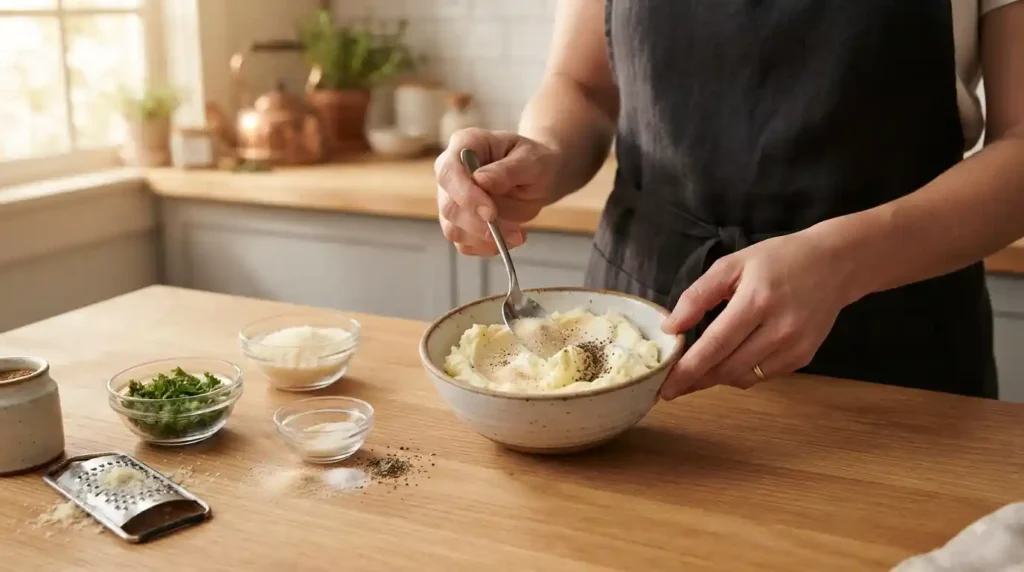
Add the softened butter, garlic powder, onion powder, salt, and black pepper to a small bowl.
Mix until everything is evenly combined.
If using parsley or Parmesan, stir them in now.
Chef tip: Soft butter is much easier to spread than melted butter. Melted butter tends to soak into the bread instead of coating the surface.
Step 2: Prepare the Bread
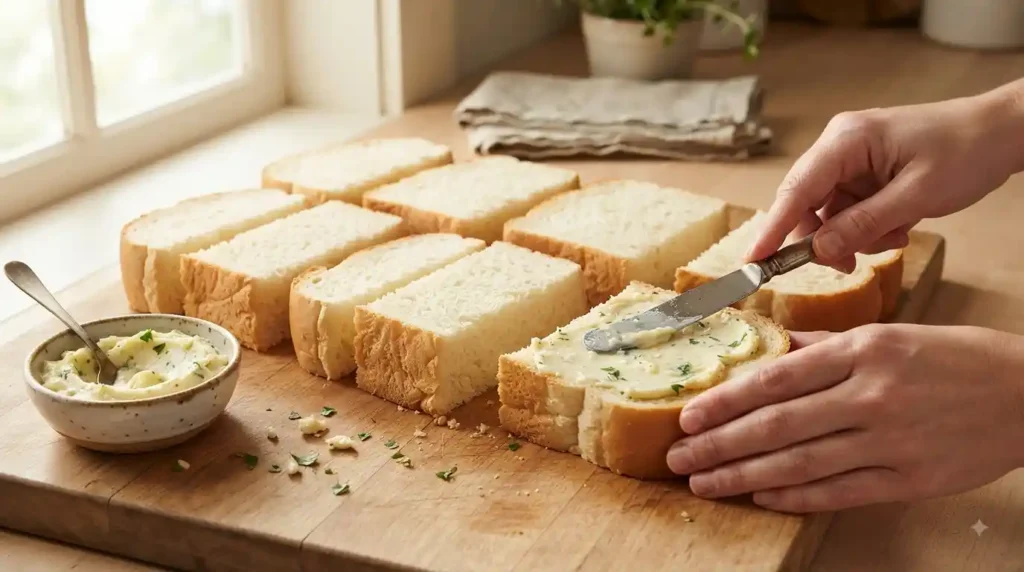
Lay the 8 thick slices of bread on a clean cutting board.
Spread a generous, even layer of garlic butter over one side of each slice.
Don’t be shy with the butter. The buttery coating is what gives this toast its signature richness.
For an extra indulgent result, make sure the butter reaches close to the edges.
Step 3: Heat the Skillet
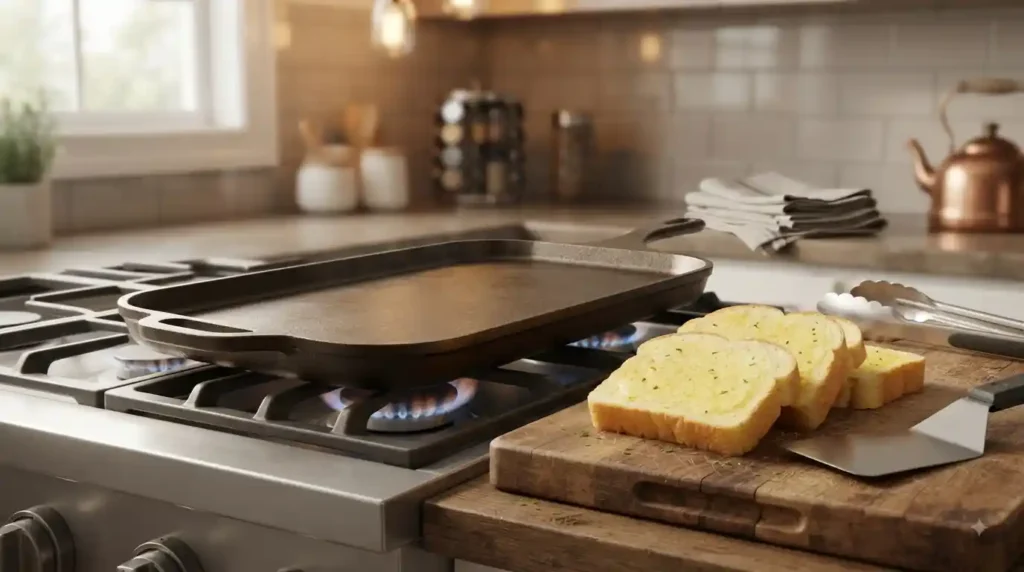
Place a large skillet or griddle over medium heat.
Allow it to heat for about 1–2 minutes.
You don’t want the pan screaming hot. Medium heat gives the bread enough time to become golden while the inside stays soft.
Important: Butter can burn quickly at high temperatures, so avoid turning the heat all the way up.
Step 4: Toast the First Side
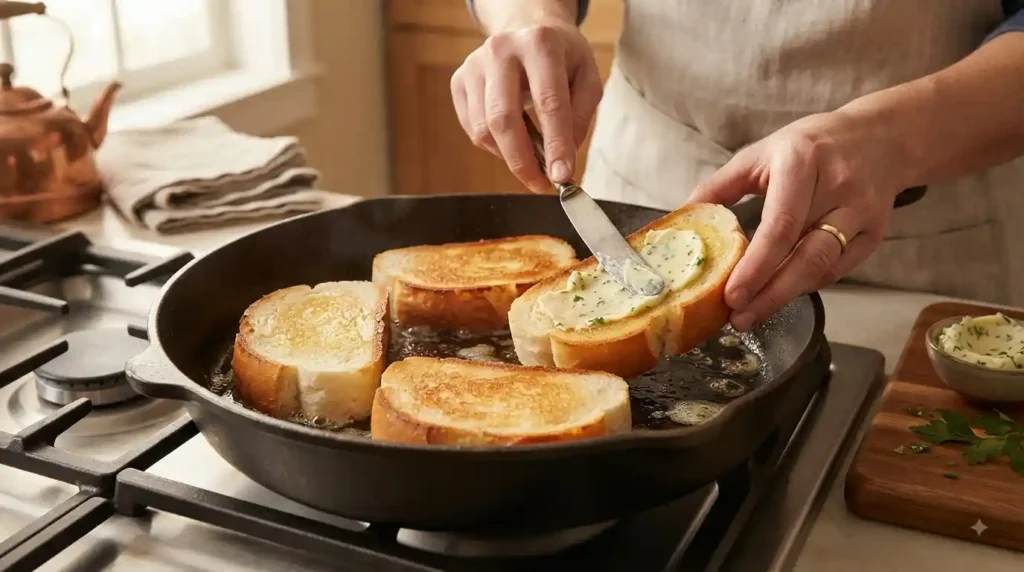
Place the bread buttered-side down in the hot skillet.
Cook for about 2–3 minutes, or until the underside is golden brown and lightly crisp.
While it cooks, spread garlic butter over the exposed side.
Keep an eye on the bread during this step. Every skillet behaves a little differently, and you want golden brown rather than dark brown.
Step 5: Flip and Toast
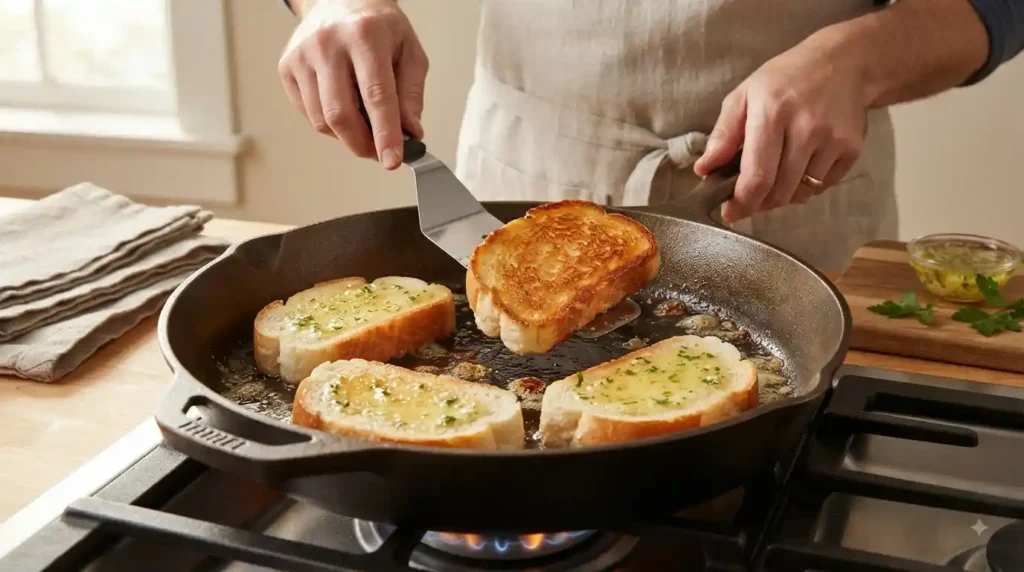
Carefully flip each slice using tongs or a spatula.
Cook for another 2–3 minutes, until the second side is golden and toasted.
If the bread starts browning too quickly, lower the heat to medium-low.
For thicker slices, you can gently press them against the skillet for a few seconds to encourage even browning.
Step 6: Rest and Serve
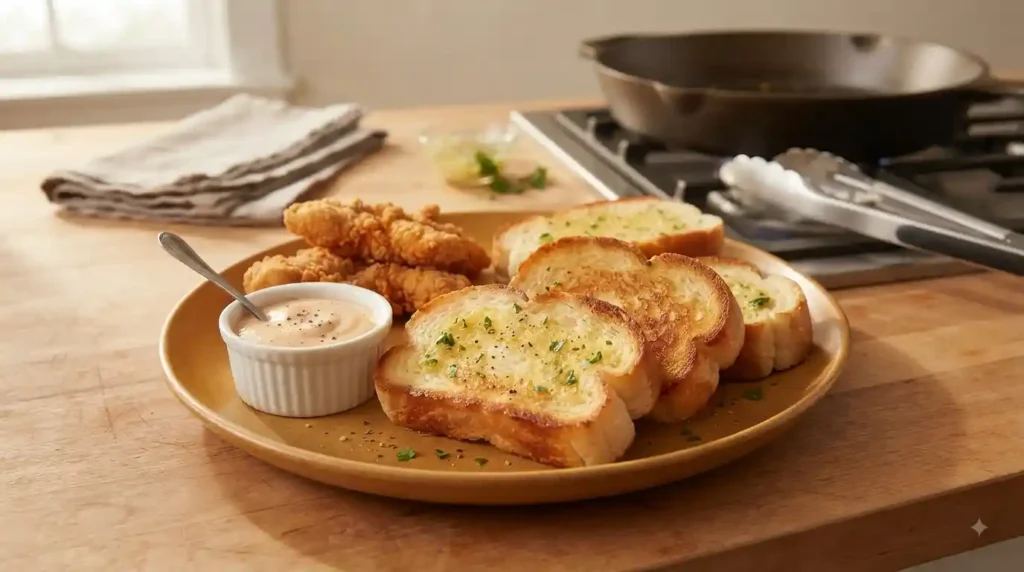
Transfer the finished toast to a plate or wire rack.
Let it rest for 1–2 minutes before serving.
This short rest lets the surface stay crisp while the center remains soft.
Serve warm alongside chicken tenders, grilled chicken, burgers, fries, soup, or your favorite dipping sauce.
Food safety note: Keep the skillet handle turned inward while cooking, and use caution when handling the hot pan. Never leave softened butter or other ingredients near an open flame.
Health Benefits
Let’s be realistic: this is a buttery side dish, not a vegetable-heavy health food. Still, it can fit comfortably into a balanced meal.
- Carbohydrates: Bread provides carbohydrates, the body’s primary source of readily available energy.
- Fat: Butter provides fat, which contributes richness and helps with absorption of fat-soluble vitamins.
- Protein: Bread contributes a modest amount of protein.
- Calcium: Bread and optional Parmesan can contribute some calcium.
- Parsley: Fresh parsley adds small amounts of vitamin K and antioxidants, although the quantity used per serving is modest.
For a more balanced plate, serve the toast with lean protein and vegetables rather than treating it as the main component of the meal.
Nutrition Information (Per Serving)
Estimated for 2 slices per serving, using the ingredients listed above. Actual nutrition varies by bread and butter brand.
| Nutrient | Approximate Amount |
|---|---|
| Calories | 410 kcal |
| Protein | 8 g |
| Fat | 24 g |
| Carbs | 43 g |
Pro Tips & Variations
For the Best Raising Cane’s-Style Texture
- Use thick bread. This makes the biggest difference.
- Don’t use cold butter. It tears soft bread and creates uneven coverage.
- Keep the skillet at medium heat. High heat can burn the butter before the bread is properly toasted.
- Toast both sides. The second side helps develop that irresistible buttery crust.
- Don’t overcrowd the skillet. Give each slice enough room to make good contact with the pan.
- Serve immediately. Texas toast is at its best when it’s hot and freshly toasted.
Easy Variations
Extra Garlic:
Add another ¼–½ teaspoon garlic powder if you love a stronger garlic flavor.
Cheesy Texas Toast:
Sprinkle shredded mozzarella or Parmesan over the second side during the final minute of cooking. Cover the skillet briefly to help the cheese melt.
Herb Butter:
Add ½ teaspoon dried Italian seasoning or a tablespoon of fresh parsley to the butter mixture.
Spicy Version:
Add a small pinch of cayenne pepper or red pepper flakes.
Air Fryer Method:
Spread the butter mixture over the bread and air fry at 375°F (190°C) for about 4–6 minutes, checking frequently. Cooking time varies by air fryer.
Oven Method:
Place buttered slices on a baking sheet and bake at 400°F (200°C) for about 6–10 minutes, flipping halfway through for more even browning.
How Much Does It Cost to Make?
The exact price depends on your bread and butter brands, but this homemade version is generally inexpensive.
| Ingredient | Estimated Cost |
|---|---|
| Thick-cut bread | $2.00–$3.00 |
| Butter | $1.00–$1.50 |
| Garlic & onion powder | $0.15 |
| Salt & pepper | $0.05 |
| Parsley | $0.25 |
| Optional Parmesan | $0.25–$0.50 |
| Estimated Total | $3.70–$5.45 |
For 8 slices, that’s roughly $0.46–$0.68 per slice, depending on the ingredients you already have in your pantry.
Frequently Asked Questions
What bread is closest to Raising Cane’s Texas toast?
The best choice is thick-cut Texas toast or thick-cut white bread. Look for slices around ¾–1 inch thick. Regular sandwich bread is usually too thin to create the same soft center and substantial bite.
How do you make Texas toast taste like Raising Cane’s?
Use thick-cut bread, softened butter, garlic powder, and a hot skillet. The key is to generously butter the bread and toast it on both sides over medium heat until golden brown.
Can I make Raising Cane’s Texas toast in the oven?
Yes. Spread the garlic butter over the bread and bake at 400°F (200°C) for approximately 6–10 minutes, flipping halfway through. Watch closely during the final few minutes because buttered bread can brown quickly.
Can I freeze homemade Texas toast?
Yes. Let the cooked toast cool completely, then wrap it tightly and freeze. Reheat it in an oven or air fryer for the best texture. Avoid microwaving if you want to preserve the crisp exterior.
Final Thoughts
This Raising Cane’s-inspired Texas toast proves that some of the best restaurant-style sides don’t require complicated ingredients or fancy equipment. Thick bread, plenty of buttery garlic flavor, and a properly heated skillet are really all you need.
Make a batch alongside crispy chicken tenders, homemade fries, or even a simple weeknight dinner. And don’t worry if your first slice isn’t perfectly golden—home cooking is allowed to look a little messy. The important part is that buttery, crisp-edged toast hits the table warm. Once you make it this way, you may find yourself keeping thick-cut bread around just for the next craving.